Shipping and logistics
RORO vs. container shipping: which option fits your JDM import?
How roll-on/roll-off and container shipping actually differ in condition requirements, handling, parts, and cost structure.
- Author
- Nexus JDM Imports
- Review status
- Reviewed and updated July 2026
- Originally published
- June 30, 2025
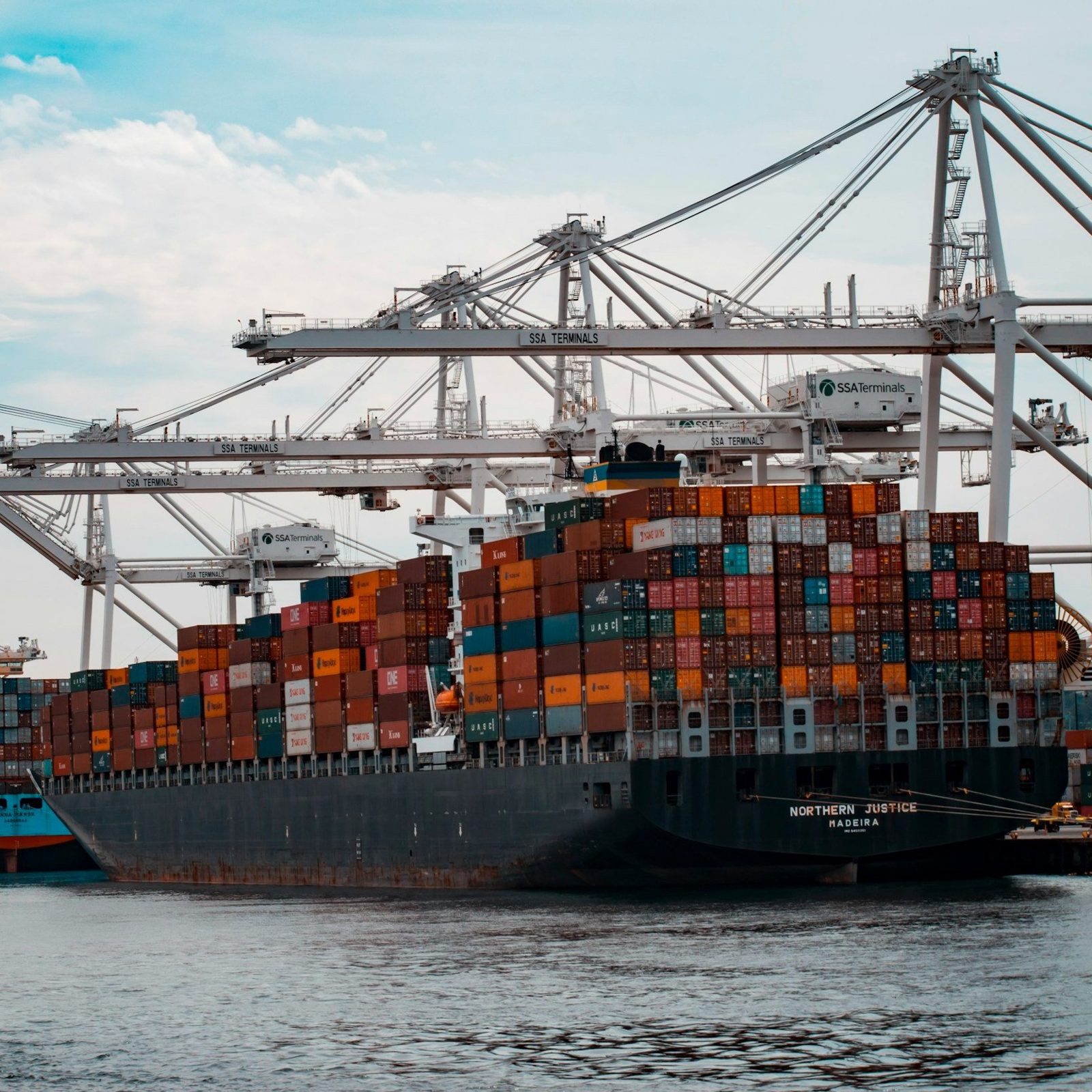
Most Japanese vehicles reach the United States one of two ways. Neither is universally better. The right choice depends on the vehicle's condition, whether parts are travelling with it, your destination port, and what is actually available on your route.
Roll-on/roll-off (RORO)
The vehicle is driven onto a purpose-built vessel and driven off at the destination. Because it is driven, RORO usually requires the vehicle to be operational and to meet the carrier's own compliance requirements. Carriers typically limit or prohibit loose personal items and parts inside the vehicle. Availability depends on the route and on which ports the service actually calls.
Container shipping
The vehicle is loaded and secured inside a container. This offers enclosed transport and may accommodate a non-running vehicle or approved parts shipped alongside it. In exchange, loading, securing, consolidation with other cargo, devanning at the destination, and terminal handling add steps and costs that RORO does not have.
Side-by-side comparison
| Consideration | RORO | Container |
|---|---|---|
| Vehicle condition | Usually must be operational and drivable | May accommodate non-running vehicles |
| Parts and accessories | Typically limited or not permitted | May allow approved parts, subject to carrier and customs rules |
| Handling | Driven on and off, fewer handling steps | Loading, securing, and devanning add steps |
| Destination port needs | Requires a port with RORO service on your route | More widely available, but needs container handling and devanning |
| Cost structure | Often a simpler charge set, varies by provider and route | More line items, varies by consolidation and terminal |
| Scheduling | Depends on RORO sailing frequency for the route | Depends on container space and consolidation timing |
Who is responsible
The exporter prepares the vehicle and arranges the booking with the carrier. The carrier operates the vessel and sets its own condition, packing, and documentation rules. Terminal and port operators handle the vehicle at each end. Nexus can help you compare the practical trade-offs, ask the right questions, and keep the parties talking, but Nexus is not a freight forwarder, carrier, or port operator and does not guarantee schedules, costs, or condition on arrival.
A practical rule: if the vehicle runs, has no parts travelling with it, and your route has a RORO service, RORO is usually the simpler path. If it does not run, or parts are coming with it, container is worth pricing properly.
Official references
Ready for the next step?
Build a planning estimate, compare what each service covers, or send us your request and we will tell you what happens next.
Questions? Email admin@nexusjdmimports.com.